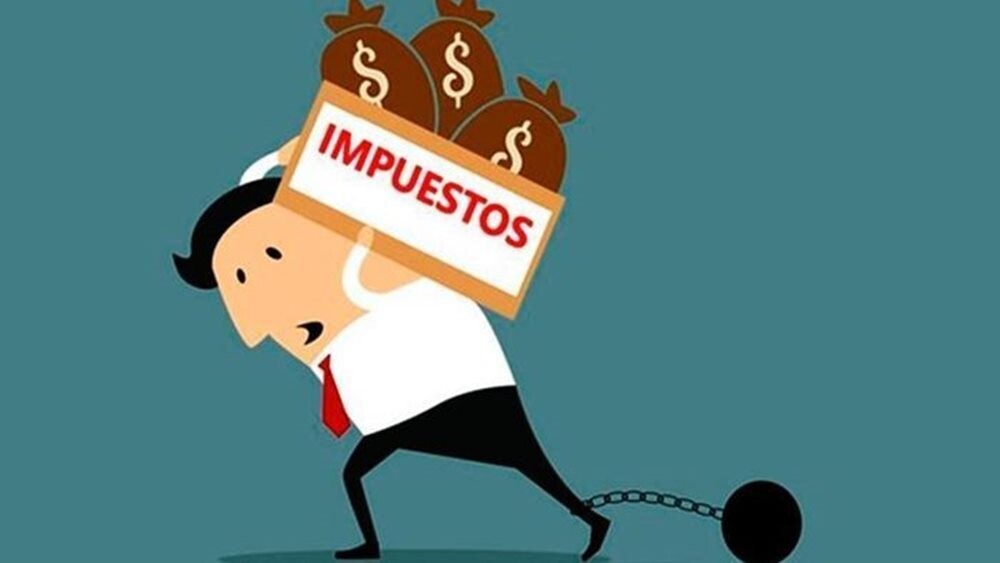
For small and medium-sized enterprises (SMEs), the challenge is not only to produce and compete in a more open market, but to survive by managing a web of 67 obligations that span the nation, provinces, and municipalities, with no clear signs of simplification in the short term. A new survey by the Argentine Institute of Fiscal Analysis (IARAF) warns that even after the elimination of the PAIS tax in 2025, an average SME remains obligated to manage 37 different taxes and a total of 67 obligations, including taxes, fees, and regimes, in an increasingly demanding economic context. This report comes at a complex time for the local productive fabric. The economy is advancing at two speeds: some sectors linked to exports or capital-intensive activities show recovery, while activities linked to the domestic market remain lagging, with weak demand and growing external competition due to the opening of imports. Against this backdrop, IARAF decided to shift the focus of the classic debate on tax burden to concentrate on regulatory complexity. The “Argentine SME Tax Vademecum 2025” does not measure how much companies pay, but rather how many obligations they must manage to comply with the State at its different levels. According to the survey, in one year an SME faces at least 67 formal burdens. Although the government of Javier Milei managed to order key macroeconomic variables, such as the fiscal and monetary fronts, this process did not translate into an equivalent improvement for the smallest companies. According to data from Equilibra, between the third quarter of 2023 and the same period in 2025, economic activity remained practically stagnant in aggregate terms. They generate around 50% of registered salaried employment and account for about 35% of the formal salary mass, making them the mainstay of the private labor market. However, the macro and sectoral context is not in their favor. The promised comprehensive tax reform was postponed and will not be discussed during 2026, admitted the economic team, due to a lack of fiscal space. While the macroeconomy is being ordered, the micro continues to operate in a complex and fragmented system. The sectors that grew were not the main generators of employment, while the industry and construction concentrated much of the destruction of jobs. In contrast, the government advanced with the Regime of Incentive for Large Investments (RIGI), which grants tax and exchange rate benefits to large-scale projects in energy and mining, sectors with a low relative weight in employment and the SME fabric. Added to this are levies linked to the ownership of real estate and vehicles, import and export duties, and statistical fees, among others. One of the most sensitive points of the report is the weight of withholding, perception, and information regimes. Between October 2023 and October 2025, 182,000 registered private jobs were lost. In 16 of the 20 producing sectors of tradable goods that reduced their production, imports gained market share, affecting smaller-sized companies with less flexible cost structures more strongly. The impact on employment completes the picture. The study identifies 30 such mechanisms that not only generate advance payments but also turn many SMEs into collection agents for the State and oblige them to make periodic presentations before multiple bodies, significantly increasing administrative costs. The relevance of the problem is amplified by the structural weight of the segment. The number arises from the combination of 37 taxes—18 of national scope, 8 provincial, and 11 municipal—and another 30 withholding, perception, and information regimes. In Argentina, there are more than 515,000 SMEs, representing 98% of formal employer companies. From the institute, they emphasize that the disappearance of the PAIS tax did not substantially alter the general web, which continues to be characterized by the overlap of norms and bodies. For the analysis, IARAF built the profile of a typical SME: a limited liability company, with dependent employees, its own establishment, a fleet of vehicles, consumption of public services, use of the financial system, and operations both in the domestic market and in foreign trade. Only 19 of the 55 productive sectors managed to grow, while the other 36 contracted. Buenos Aires, January 26, 2026 – Total News Agency-TNA – The tax structure faced by Argentine small and medium enterprises remains practically intact despite official promises of simplification and tax relief. The recovery was led by activities with low SME weight, while sectors more intensive in employment and the domestic market continue under pressure. The greater opening of commerce has deepened this tension. Under this scheme, each operational decision activates a chain of taxes and procedures. The purchase of inputs, the sale of products, and the use of basic services such as electricity, gas, water, telephone, or internet imply combinations of VAT, Gross Income, municipal fees, check tax, and specific funds.